What an AI-native upfit shop actually looks like in 2026
Not robots on the floor. A single operating layer where leads, quotes, jobs, and routing finally speak the same language.
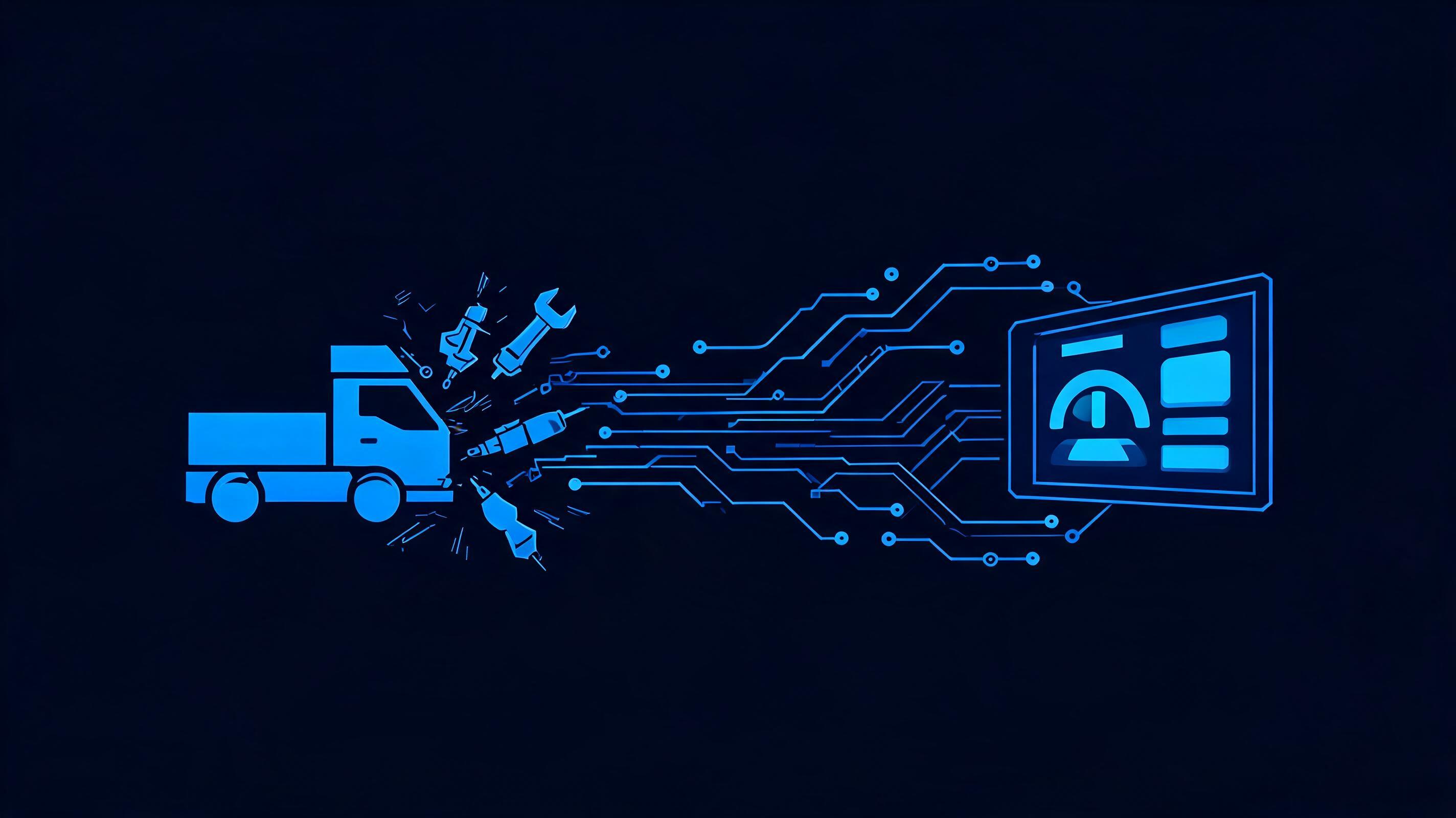
When people hear “AI-native shop,” they picture robots welding brackets and a screen somewhere predicting next quarter. That is not what this is. An AI-native upfit shop in 2026 looks, from the floor, almost exactly like a good upfit shop in 2019. Same bays. Same crews. Same smell of cut aluminum. The difference is invisible until you watch how the work moves — and then it is the only thing you can see.
The defining trait is not intelligence. It is integration. In most shops, the day is a relay race between disconnected tools, and the baton gets dropped in the handoffs. An AI-native shop removes the handoffs. There is one operating layer, and the work lives inside it from the first inbound call to the final invoice.
Start with the lead, because that is where the money leaks
In a conventional shop, a lead arrives three different ways — a phone call, a web form, a referral email — into three different places that never reconcile. Somebody is supposed to chase each one. Most days, somebody is busy. The lead that came in at 4:40 on a Friday is the lead you lose, and you never even know you lost it.
In an AI-native shop, every channel feeds one pipeline. An agent reads the inbound, tags it by job type and urgency, checks it against your customer history, and routes it to the right estimator with the context already attached. No lead sits in an inbox waiting for a human to notice it exists. The human gets pulled in to make the judgment call — not to do the filing.
The quote is the second leak, and it is bigger
Quoting is where upfit shops bleed time and lose deals. A senior estimator rebuilds the same spreadsheet from memory for every job, because the last one is buried in a folder somewhere. It takes a day, sometimes three. By the time the quote lands, the customer has cooled or called someone faster.
An AI-native shop treats the quote as a structured artifact, not a document somebody retypes. The system knows your parts, your labor rates, your standard configurations, and your margins. From a job spec, it drafts a complete, structured quote in minutes. The estimator’s job changes from building the quote to approving it — adjusting the judgment calls a machine should not make, and sending it while the customer is still warm.
This is the heart of the distinction. The AI does not replace the estimator. It removes the two hours of retyping so the estimator can do the twenty minutes of thinking that actually wins the job.
Jobs become visible, which sounds small and changes everything
The whiteboard in the corner of most shops is a single point of failure. One person can read it. When that person is out, the shop runs on memory and phone calls. An AI-native shop puts job status on a live board — by bay, by crew, by stage gate — that everyone can see and the system keeps current as work moves.
The second-order effect is the interesting one. Once jobs are visible in real time, routing becomes a decision the system can support. Which bay is free at two o’clock. Which crew finishes the brake job in time to start the shelving install. The owner stops being the router and starts being the operator.
Marketing stops being the tab nobody opens
Every owner-operator knows marketing matters and nobody has time for it. In an AI-native shop, the routine parts run themselves: a finished job triggers a review request, a quiet week triggers a re-engagement campaign to last quarter’s leads, a recurring customer gets a service reminder on the right interval. None of it is clever. All of it is consistent, which is the part humans are bad at and systems are good at.
What it takes to get there
You do not buy an AI-native shop. You install one. The work is unglamorous: modeling your business in its own vocabulary — upfit jobs, stage gates, bays, customer types — and then building the connective tissue that lets each part of the day inform the next. Done right, it takes about 90 days to reach production and it runs in your own cloud accounts, owned by you.
The shops that win the next five years will not be the ones with the most advanced model. They will be the ones whose operating system removed the seams, so the leads stop leaking, the quotes go out same-day, and the owner spends the afternoon operating the business instead of being the integration layer between nine tools that were never built to talk.
That is what an AI-native upfit shop actually looks like in 2026. Not robots. One layer, doing the boring work flawlessly, so the people can do the work that needs a person.
If your shop is living the version of this you just read, that is exactly the conversation a briefing is for. No deck, no sales call — a written response within 48 hours.
Request a Briefing